If you’ve ever walked along a historic waterfront promenade, a stately garden staircase, or a sprawling patio with sweeping views, you’ve likely leaned on a balustrade without stopping to wonder what it’s made of. As a granite balustrades supplier with over a decade in the stone industry, I’ve talked to countless customers who’ve realized the difference granite makes—especially when it comes to functionality, longevity, and timeless style. So let’s break down what granite balustrades are, why they stand out from other materials, and how they fit into modern and traditional architectural designs.
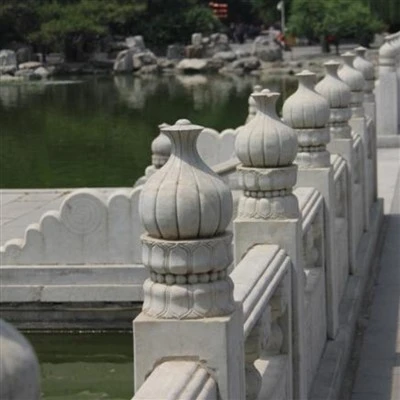
First, let’s get the basics straight: a balustrade isn’t just a railing. It’s a system made up of three core parts—horizontal handrails, vertical supports called balusters, and the thicker, top caps that finish off the entire assembly. Granite balustrades are simply this structural element crafted from natural granite, an igneous rock formed deep beneath the Earth’s crust when molten magma cools and solidifies slowly. Unlike limestone, marble, or concrete, granite’s crystalline structure makes it exceptionally dense and hard, which is why it’s been a go-to building material for thousands of years.
I often explain to first-time buyers that not all granite balustrades are the same. The quality depends on the granite type, the quarry it’s pulled from, and the precision of the fabrication. For example, granite sourced from quarries in Brazil, India, or Scandinavia has unique mineral compositions that affect color, pattern, and durability. Black granite from India, with its fine, uniform grain, is perfect for contemporary projects because it has a sleek, modern finish. On the other hand, pink granite from Sweden, with its speckled feldspar and quartz, adds a warm, classic touch to heritage-style homes and public spaces. We work with quarries that test every slab for compressive strength, resistance to water absorption, and freeze-thaw tolerance—critical factors for balustrades, which are exposed to the elements year-round.
Let’s talk about the key benefits that make granite balustrades a worthwhile investment, because I don’t want anyone to think they’re just a pretty face. First, durability. Granite has a Mohs hardness scale rating of 6 to 7, which is harder than steel (rated 4 to 4.5) and almost as hard as quartz (7). That means it resists scratches from heavy foot traffic, scuffs from garden tools, and even impacts from minor collisions. For outdoor use, it’s also non-porous, so it absorbs almost no water. That’s a game-changer in climates with freezing winters: when water seeps into a porous material and expands, it can crack the structure. Granite’s density prevents that, so balustrades stay intact for decades without needing major repairs.
Then there’s low maintenance. Unlike wood, which rots, warps, and needs regular sealing or staining, or metal, which rusts and requires repainting every few years, granite balustrades only need a quick wipe with mild soap and water to look like new. Stains from wine, dirt, or even oil wipe off easily, and they don’t fade from sun exposure. I installed a granite balustrade on my own patio in 2012, and I’ve only cleaned it twice a year—no sanding, no painting, no sealing. That kind of peace of mind is invaluable for homeowners, property managers, and commercial developers.
A big plus for architects and designers is the versatility of granite balustrades. They can be cut into almost any shape, finished in a variety of textures, and customized to match any aesthetic. For traditional projects, a honed finish (smooth, matte, with subtle mineral patterns) pairs perfectly with classic stonework. For modern builds, a polished, high-gloss finish adds a sleek, sophisticated look that works with minimalist architecture. We also offer custom profiles, from round balusters for a soft, ornamental feel to square balusters for a bold, contemporary edge.
What many people don’t realize is that granite balustrades are part of a larger architectural stone system, designed to work seamlessly with other complementary products. For example, many of our customers pair their granite balustrades with granite pier caps, which are decorative caps for the posts that anchor the balustrade at the ends or midpoints of a long run. Pier caps not only add visual interest but also protect the top of the posts from water damage, extending the life of the entire balustrade. We offer a range of granite pier caps in different shapes (square, round, octagonal) and finishes to match any balustrade design.


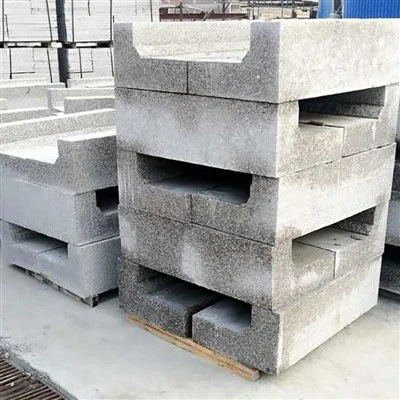
Another complementary product that works well with granite balustrades is granite coping stones, which are the top edges of walls or parapets that the balustrade is often mounted on. Coping stones provide a flat, stable surface for the balustrade’s handrail to attach to, and they also divert water away from the wall, preventing moisture buildup that can lead to mold or structural damage. If you’re working on a project that needs custom or specialty pieces, our selection of special shaped granite stone products includes everything from curved balustrade sections to custom cut brackets that fit unique wall layouts. For residential projects, granite window sills are another popular addition—they match the balustrade’s color and finish, creating a cohesive stone scheme throughout the home.
For larger projects like waterfront parks or highway overpasses, we often recommend adding granite bollards to the mix. Bollards are short, sturdy posts installed at the base of balustrades for extra safety, preventing vehicles from accidentally driving into the structure. Granite bollards are just as durable as the balustrades themselves, so they match the long lifespan of the entire installation.
A common question I get is about cost, and it’s true that granite balustrades have a higher upfront cost than, say, aluminum or vinyl. But when you calculate the total cost of ownership, they’re actually more affordable long-term. Vinyl balustrades can start to crack, fade, or become brittle after 10 to 15 years, requiring full replacement. Aluminum balustrades can rust, especially near coastal areas with salt air, and need repainting every 5 to 10 years. Granite balustrades, on the other hand, can last 50, 100, or even more years with minimal maintenance. That means you’re not spending money on replacement or repairs every decade—you’re making a one-time investment in a structure that will outlast the property itself.
I also want to touch on sustainability, because more and more customers are asking about eco-friendly building materials. Granite is a natural, abundant resource, and most of the stone we use is quarried in a way that minimizes environmental impact—many quarries reclaim land after extraction by planting vegetation or repurposing the quarry for other uses. Unlike synthetic materials, granite is 100% recyclable, so if a balustrade ever needs to be removed, the stone can be crushed and reused for road base, landscaping, or other construction projects. That makes it a much more sustainable choice than many man-made alternatives.
When it comes to installation, working with a reputable granite balustrades supplier is key. A poorly installed balustrade is a safety hazard, no matter how good the stone is. Proper installation starts with preparing a solid, level base—whether that’s a concrete footing for new construction or attaching to existing stone or concrete. Each baluster needs to be securely anchored to the base and the handrail, using stainless steel bolts or adhesives that are resistant to rust and weather damage. I always advise customers to work with experienced masons who specialize in stone installations, even if it adds a bit to the upfront cost. A well-installed granite balustrade isn’t just beautiful—it’s safe for families, guests, and the general public.
Let’s look at some real-world examples to put this into perspective. Last year, we supplied granite balustrades for a historic mansion renovation in the South of England. The original 19th-century balustrade had been damaged by years of harsh weather, and the owners wanted to match the original design but with a more durable material. We sourced a light gray granite from a quarry in Wales that had the exact same speckled pattern as the original stone, and custom-cut the balusters and handrail to the original dimensions. The project also included granite pier caps for the new posts, granite coping stones for the terrace walls, and granite window sills for the mansion’s upper floors. The result is a seamless match to the original architecture, and the balustrade is already holding up perfectly through rain, wind, and snow.
Another recent project was a modern waterfront apartment complex in Dubai, where the architects wanted a sleek, contemporary look. We supplied black polished granite balustrades with square balusters, paired with matching granite bollards along the walkway. The high-gloss finish reflects the sky and the water, creating a striking visual effect, and the granite’s resistance to salt air and extreme heat makes it ideal for the coastal desert climate. The property managers tell us that the balustrades still look as good as the day they were installed, even after two years of constant sun and salt exposure.
So, to wrap this up: granite balustrades are structural and decorative elements made from natural granite, valued for their exceptional durability, low maintenance, versatility, and timeless style. They’re used in everything from historic home renovations to modern commercial and public projects, and they work seamlessly with other architectural stone products like granite pier caps, granite coping stones, granite window sills, special shaped granite stone products, and granite bollards. While they have a higher upfront cost than some other materials, their long lifespan and minimal maintenance make them a smart investment for anyone looking for a balustrade that will stand the test of time.
If you’re considering adding granite balustrades to your next project—whether you’re a homeowner updating your patio, an architect designing a new public space, or a property manager renovating a historic building—I’m here to help. We offer custom sizing, a wide range of granite types and finishes, and expert guidance to make sure you get the perfect balustrade for your needs and budget. Connect with us today to discuss your project and request a quote.
References
- "Granite: Properties and Uses." US Geological Survey, 2023.
- "Stone Balustrades: A Guide to Design and Installation." Natural Stone Institute, 2022.
- "Durability of Natural Stone in Outdoor Applications." International Association of Certified Home Inspectors, 2021.
- "Sustainable Building Materials: Natural Stone Quarrying and Recycling." Stone Industry Alliance, 2023.
- "Comparative Lifespan of Outdoor Railing Materials." Construction Technology Update, 2022.